


Signs of Spring
On the other hand, spring means kitten season, a tough time in rescue. But honestly, there are so many kittens in my program right now, I don’t think kitten season ever really ends.
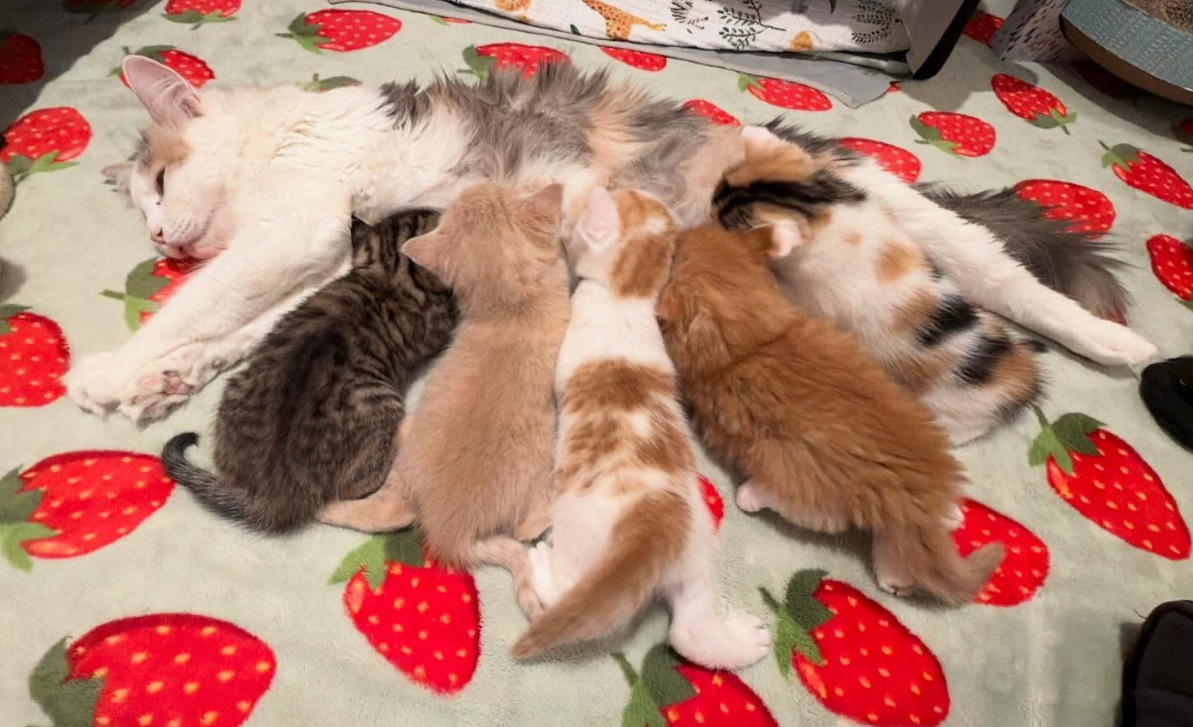
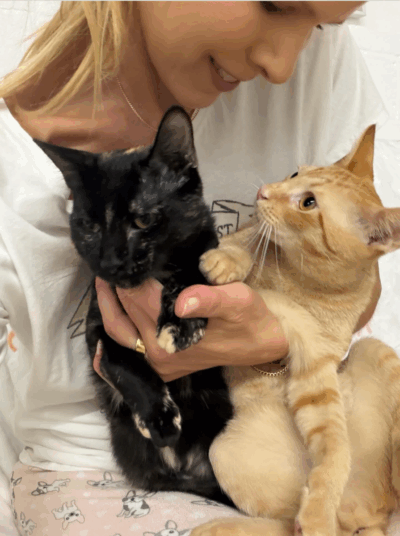
They’re precious and beautiful, but there are just too many cats and kittens and too few homes. So the underlying message is clear: spay/neuter!
There are many ways you can make a difference:
- Use your social media to raise awareness.
- Support low-cost spay/neuter programs in your community.
- Support local trap/neuter/vaccinate/return programs (TNVR), which manage feral feline colonies.
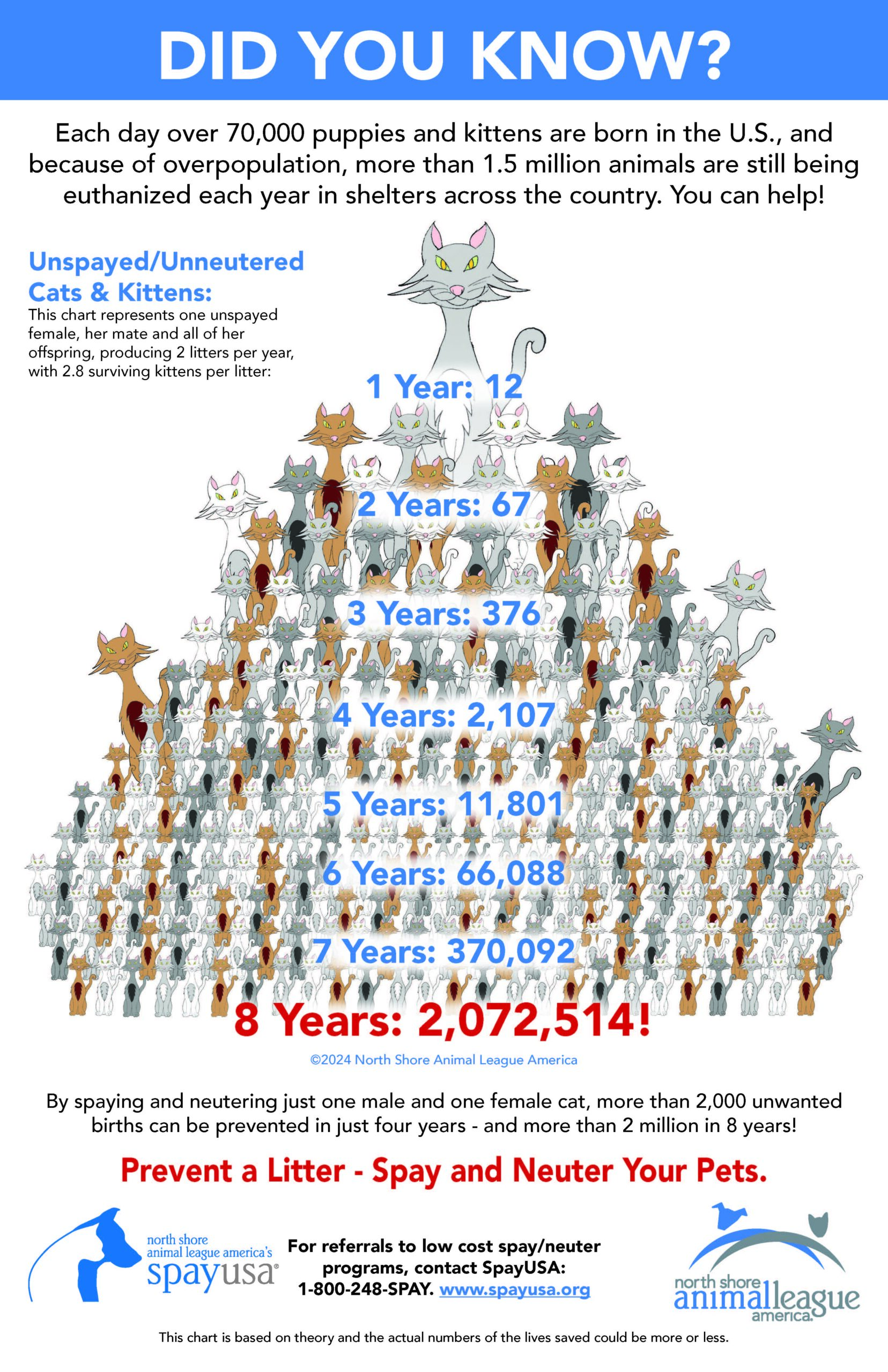
For information on low-cost spay/neuter programs across the country, visit NSALA’s SpayUSA. We’ve also made flyers like the one above, available in both English and Spanish, for free download and use. These are great for helping educate others.
And there’s one more thing you can do: foster! Gosh, it’s hard to describe how rewarding this is. I really hope you’ll find out for yourself. Visit your local shelter to learn what’s required to foster a new litter or an adult who might be struggling to adjust to shelter life. You’ll make a world of difference to your foster, and you’ll also free space at your local shelter for another pet in need. It’s a win-win.
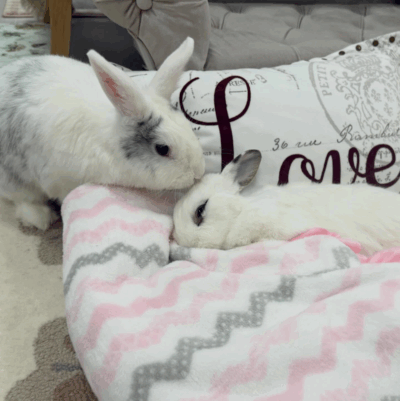
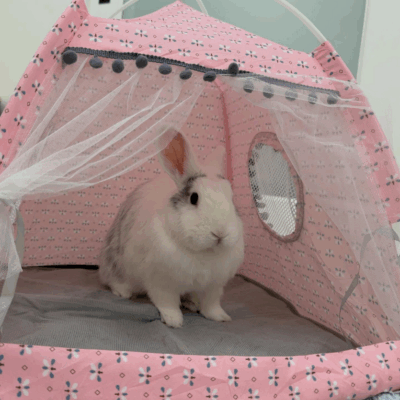
While I’ve covered this topic before, good advice bears repeating. So if you’re considering buying a bunny for Easter, DON’T DO IT. And if you see these helpless animals for sale — they should be with their mothers, not in store displays — politely but firmly voice your objections to the manager. Don’t hesitate to be a “Karen” for the animals.
Although sweet and gentle, rabbits are high-maintenance, expensive, and messy pets. Of course, they’re worth it if you have the time, energy, and resources. A great organization that specializes in bunny adoption and care is the San Diego House Rabbit Association, which has helped me tremendously as I learned how to give our resident rabbits the best life possible.
In mid-February, Stephen Heaven, Sunnybunny, and Earl had their check-ups and teeth shaved. Yes, their teeth were shaved! Fun fact: rabbits’ teeth, like squirrels’ and beavers’, never stop growing, which means they need plenty of unfinished wood toys, wicker baskets, chew rings, and hay-filled balls to keep their busy teeth occupied. They’ll also need occasional veterinary visits for trims.
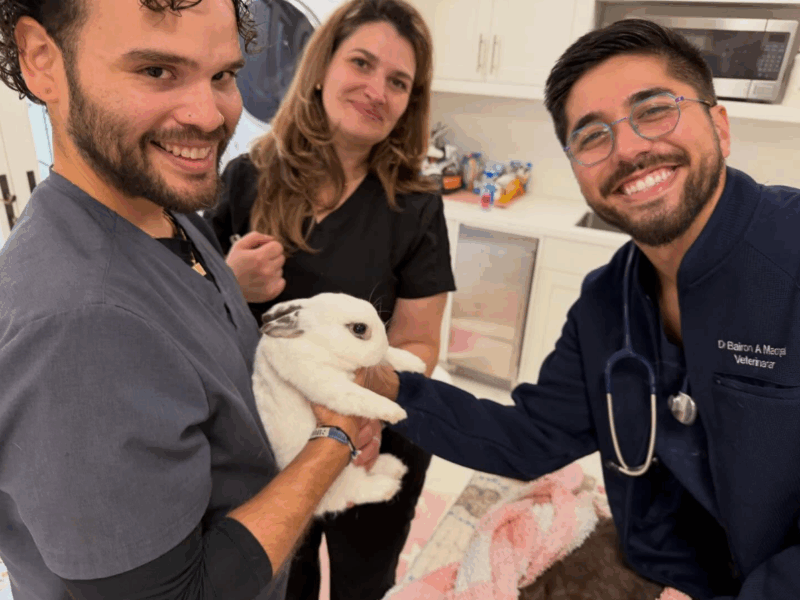
Earl celebrating a successful checkup with the wonderful Dr. Bairon Madrigal (right) and his team.
Easter also brings a lot of chocolate into our homes, which is toxic and even deadly for cats, dogs, and rabbits, with dark chocolate, cocoa powder, and baking chocolate being the most dangerous. Ingestion can cause symptoms ranging from diarrhea to tremors, seizures, and irregular heart rhythms.
But the worst seasonal threat to cats is lilies, which are extremely toxic. All lilies, including the popular Easter lily, can cause kidney failure within 72 hours if ingested. Even tiny amounts of any part of the plant — leaves, stems, flowers, even vase water! — are deadly. In fact, if lily pollen falls onto the floor and your cat walks through it and then licks her paws, kidney failure and death can quickly follow.
It’s easy to forget how many toxins are present in our homes, and since National Poison Prevention Week is March 15-21, I plan to do some research and refresh my memory because even items that seem harmless — like pennies, raisins, and those daffodils I love — can make your pet sick. Here are two excellent online resources to help: ASPCA Poison Control and the Pet Poison Helpline.

At NSALA, there’s yet another sign of spring: our annual Tour For Life®, which kicks off March 31 at our Long Island campus. From there, our mobile adoption units travel across the country to 66 cities and towns in 38 states, from Atlanta to Sacramento, coordinating with local shelters to help their pets find good homes. I love this program because it empowers smaller shelters and raises awareness in an exciting, positive way. You can follow along at @animalleague for a wonderful, lifesaving adventure!
Wishing you a beautiful and safe spring.
xo
Beth