


For generations of cat lovers and veterinary professionals, three letters brought devastating news: FIP. Feline infectious peritonitis develops when a common feline coronavirus mutates inside an individual cat, causing an inflammatory disease that can affect the stomach, chest, nervous system or other organs. It occurs most often in young cats, and until recently, there was little veterinarians could do to stop it. “FIP had a very high fatality rate,” explained Animal League America Chief of Veterinary Staff Dr. Mark Verdino. “Now however, we can treat it.” That remarkable change is giving cats like Crayon and Violet a future.
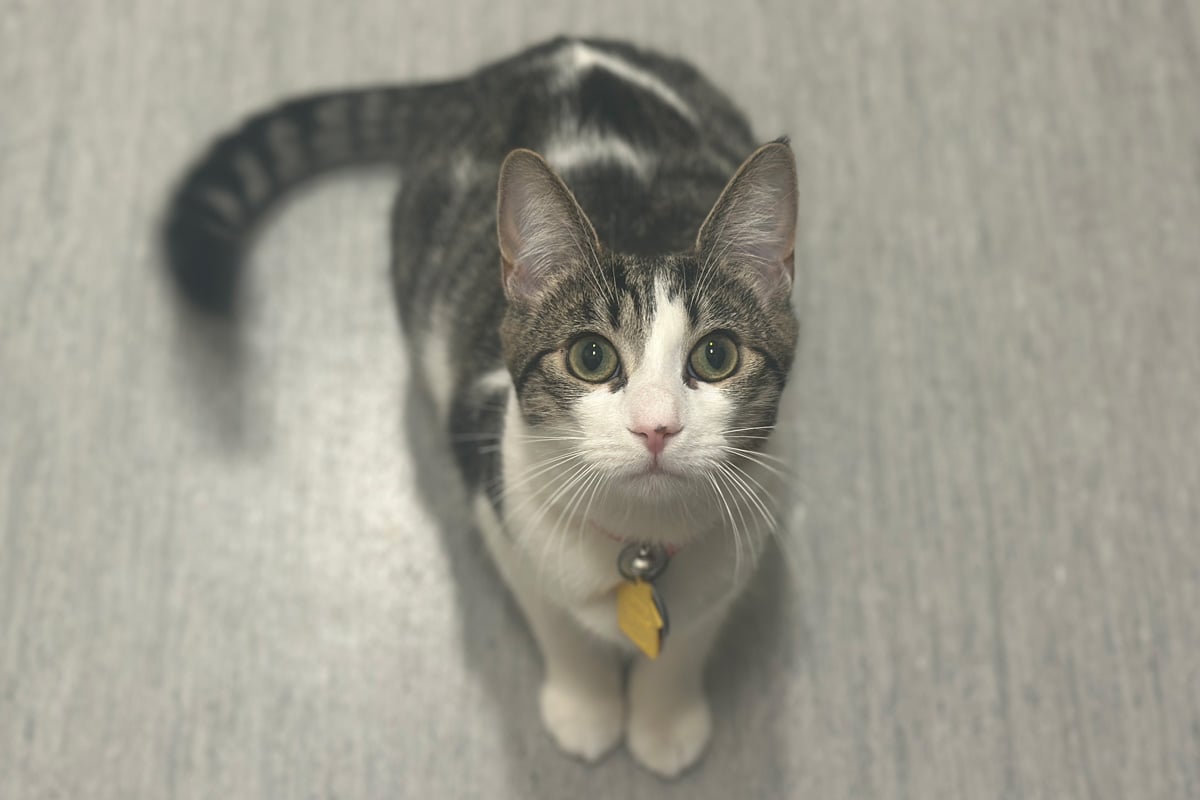
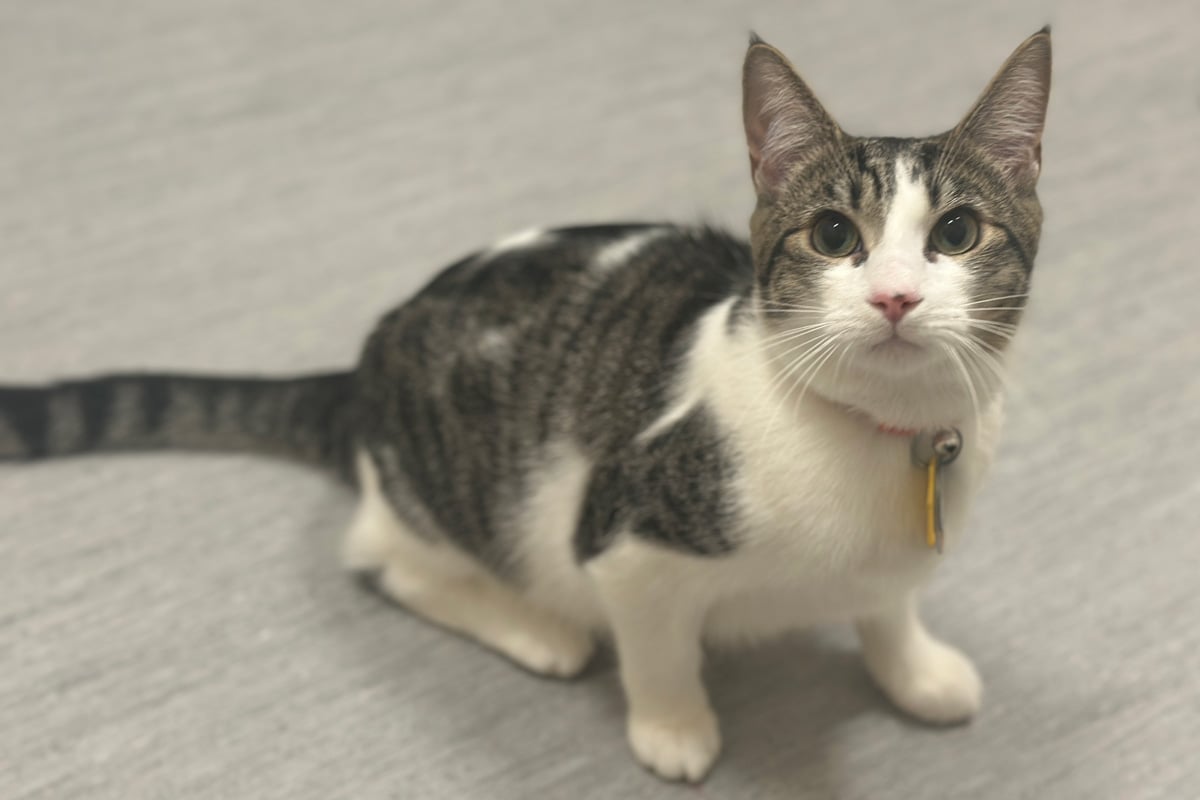
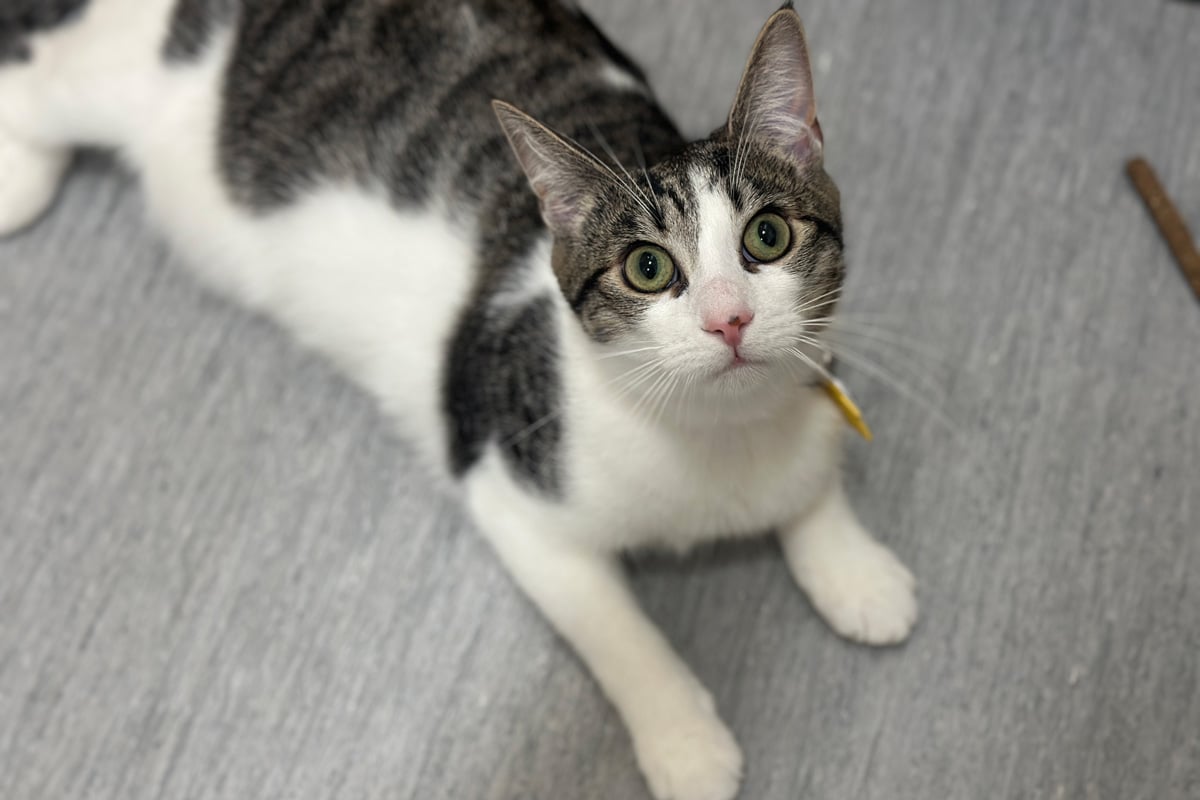
The breakthrough is an antiviral called GS-441524. A 2024 FDA policy made it possible for veterinarians to prescribe a reliably compounded oral formulation under specific conditions. Before then, families and rescue organizations often obtained versions through unregulated sources, with no certainty about their purity or strength.
GS-441524 is closely related to remdesivir, the antiviral used to treat COVID-19, a connection Dr. Mark Verdino believes helped bring greater attention to making the feline treatment accessible. Access, however, does not make treatment simple or inexpensive. Dr. Verdino recalls that black-market medication could once cost as much as $8,000 for one cat. Today’s veterinary-supervised treatment remains costly and requires careful monitoring, followed by an observation period to watch for relapse.
For Crayon, immediate attention made all the difference. A volunteer noticed that she was not feeling well and alerted the veterinary team. Treatment began quickly, and the playful young cat responded so well that, as volunteer Kate Haselbauer noted, “You’d never know she ever had a moment of concern.”
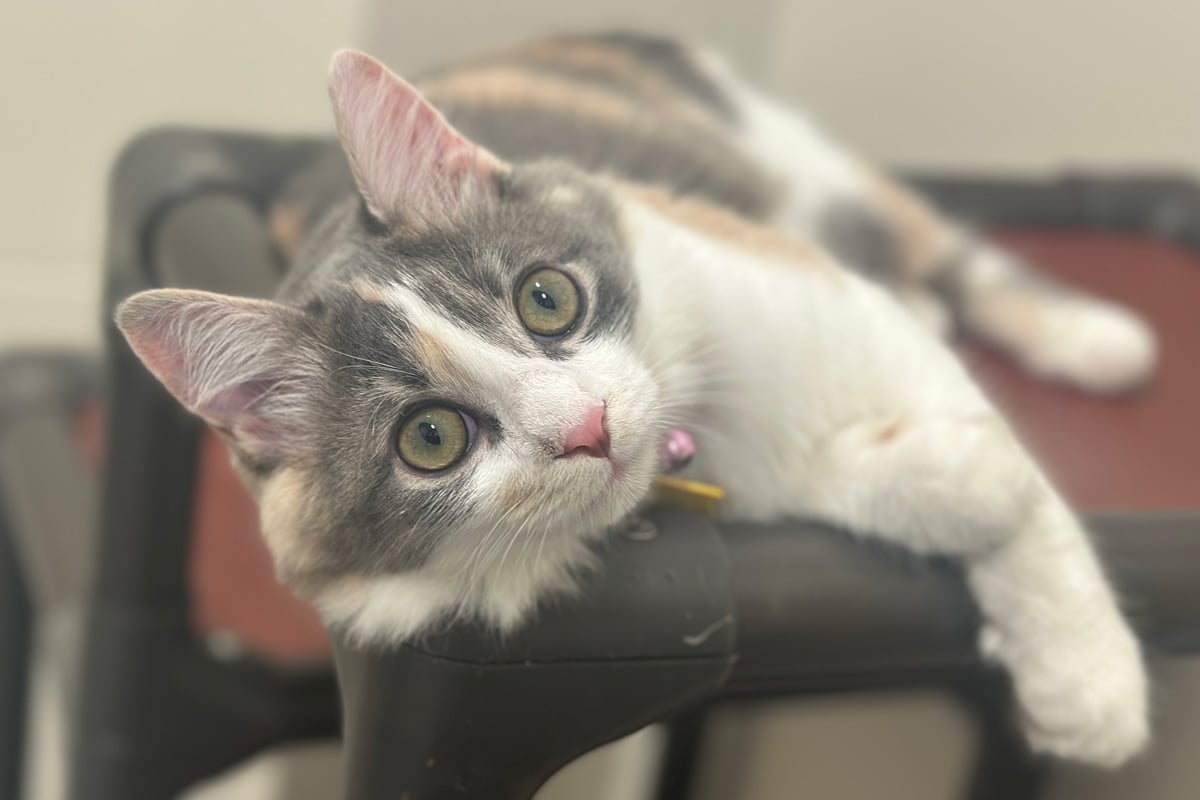
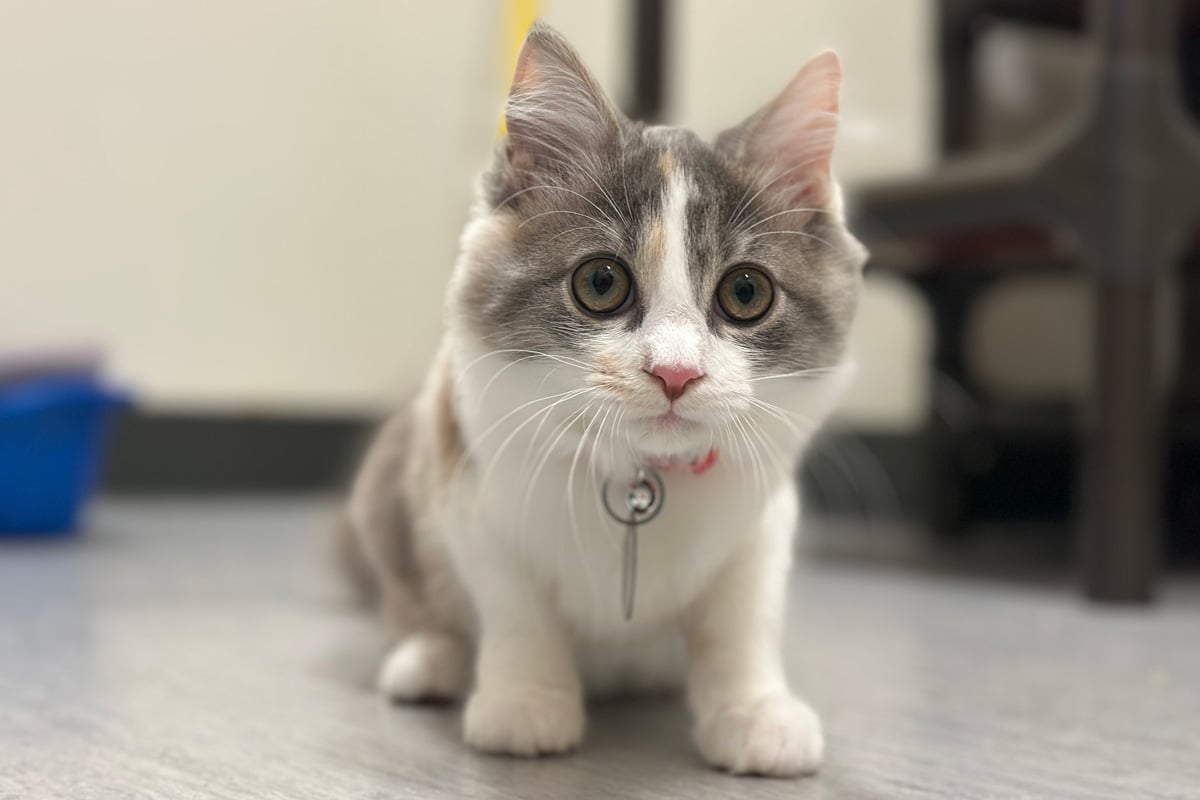
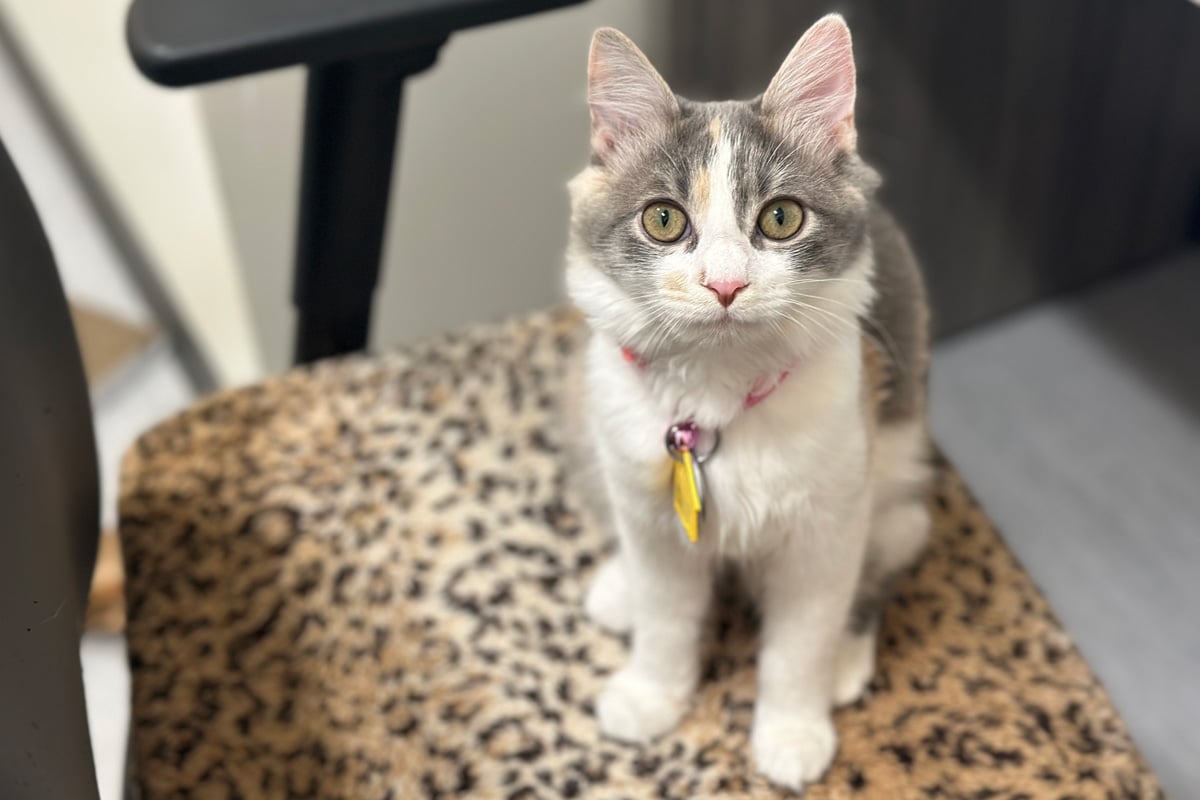
Violet has also completed treatment and entered her observation period. Once hesitant, she is now so energetic that she is in need of a home that can keep up with her! The team members caring for both cats see this ordinary feline behavior as something extraordinary: evidence that cats once facing a fatal disease can now look forward to full, happy lives.