


February is widely recognized as American Heart Month, a national campaign to raise awareness about cardiovascular disease in people. But it’s also the perfect time to focus on the hearts beating quietly beside us every day — our dogs and cats. Just like in humans, our pets can develop heart conditions, and early detection can make a life-saving difference.
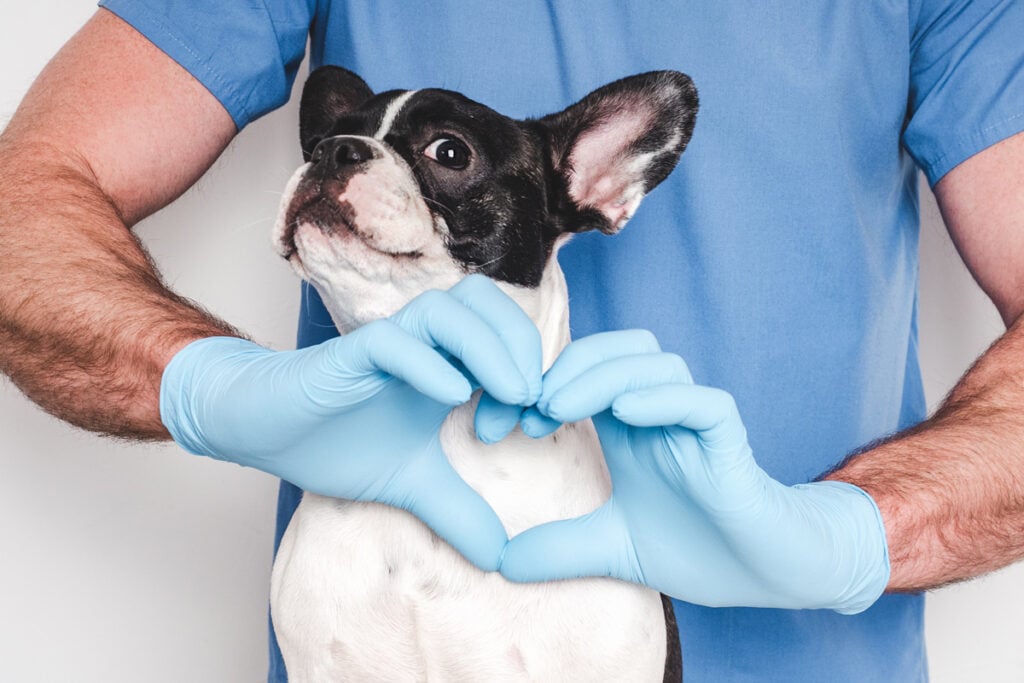
Common Heart Conditions
Many pets with heart disease look completely normal in the early stages. That’s why awareness — and routine veterinary care — is so important. Here are just a few of the common heart conditions that could seriously affect your pet.
- Mitral Valve Disease (MVD) is the most common heart condition in small-breed dogs, especially seniors. The mitral valve weakens over time, allowing blood to leak backward in the heart.
- Dilated Cardiomyopathy (DCM) is more common in larger breeds, and causes the heart muscle to weaken and enlarge, reducing its pumping ability.
- Hypertrophic Cardiomyopathy (HCM) is the most common heart disease in cats, HCM causes the heart walls to thicken, making it harder for the heart to pump effectively.
Cats are especially tricky because many show no obvious symptoms until the disease has progressed.
Warning Signs Pet Parents Should NOT Ignore
Whether you have a dog or a cat, contact your veterinarian if you notice:
- Coughing that doesn’t resolve
- Difficulty breathing or rapid breathing at rest
- Fainting or collapse
- Sudden weakness
- A swollen abdomen
- Decreased interest in activity
If your pet is struggling to breathe, it’s an emergency and they should be taken to an emergency veterinary medical center immediately.

How Veterinarians Detect Heart Disease
Heart issues are often first suspected during a routine wellness exam. Your veterinarian may detect a heart murmur, irregular heartbeat or abnormal lung sounds. Further testing may include chest x-rays, bloodwork, or an echocardiogram among others.
Early diagnosis allows for medications and lifestyle adjustments that can significantly extend both lifespan and quality of life.
How You Can Support Your Pet’s Heart Health
While not all heart disease can be prevented, you can reduce risk and improve outcomes by:
- Keeping up with annual veterinary exams
- Maintaining a healthy weight
- Feeding a balanced, veterinarian-recommended diet
- Monitoring breathing rate while your pet sleeps
- Reporting subtle behavior changes early
For senior pets especially, proactive screening can make all the difference.
As a Heartfelt Reminder
This February, schedule a wellness check, learn your pet’s normal resting breathing rate, and take a moment to appreciate the steady rhythm of the heart that beats for you every day.