


Finding a kitten — or an entire litter — outdoors can be emotional. You may feel the urge to help immediately, but taking the right steps is crucial for their survival. Before picking them up, it’s important to determine whether the kittens truly need help and whether their mother is nearby.
At North Shore Animal League America, we receive many calls each spring and summer during kitten season. Our Community Outreach team offers guidance for safely assessing, protecting, and supporting outdoor kittens until they can be placed in loving homes.
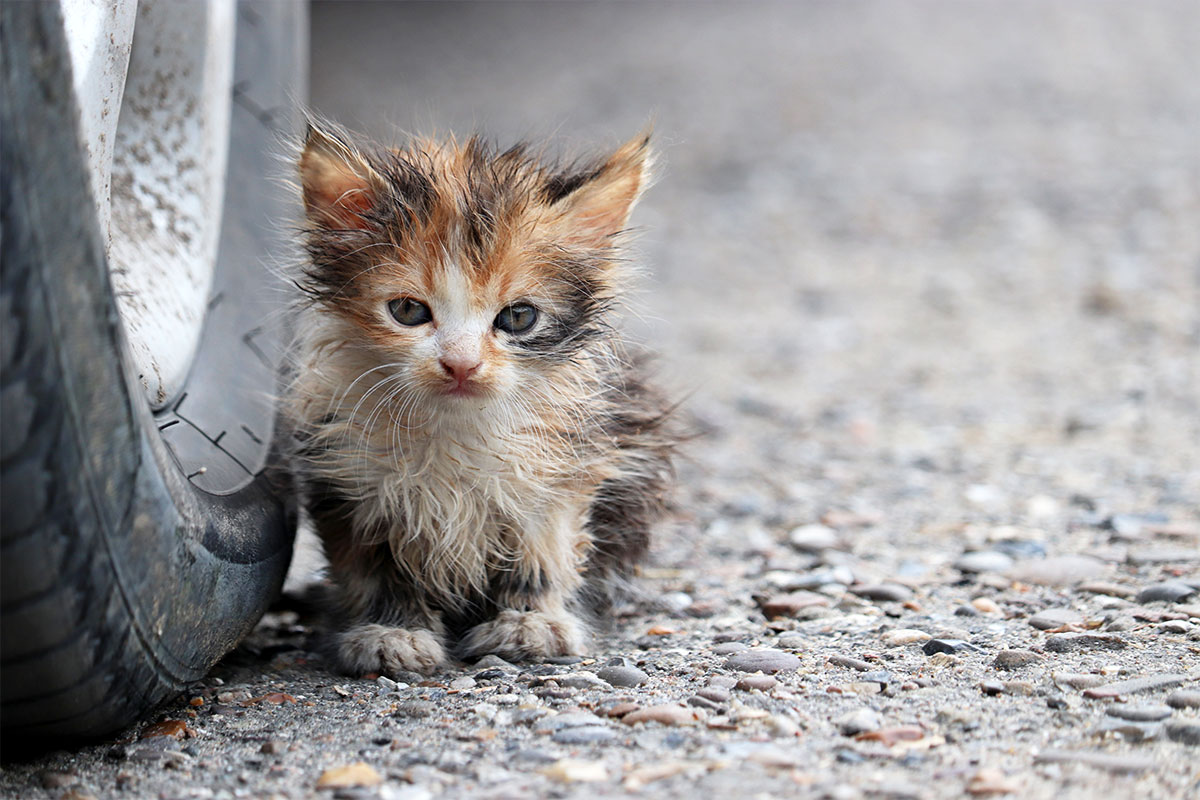
Step One – Observe Before You Intervene
If you’ve discovered kittens outside, do not scoop them up right away. The mother cat is often nearby — hunting, hiding, or watching from a distance.
What to Do First:
● Watch quietly from afar for several hours. If the kittens are well-fed, clean, and sleeping peacefully, they’re likely being cared for by mom.
● Avoid lingering near the nest. A mother cat might not return if she senses people around.
● Check for movement or distress. Crying, cold, or visibly weak kittens may need immediate help. You can sprinkle a small circle of flour near the nest and check for paw prints later — a simple way to confirm whether mom has returned.
Step Two – Assess the Kitten’s Condition
If the kittens appear injured, sick, or abandoned, contact your local veterinarian or animal rescue right away for next steps. If they’re healthy but alone for several hours, it’s time to intervene.
How to Estimate Kitten Age:
● 0–2 weeks old: Eyes closed; unable to walk; best chance of survival is with mom.
● 2–4 weeks old: Eyes open; crawling and mewing; still reliant on milk.
● 4–6 weeks old: Mobile and curious; can start weaning on kitten food.
● 6–8 weeks old: Active and playful; ready to be socialized and adopted.
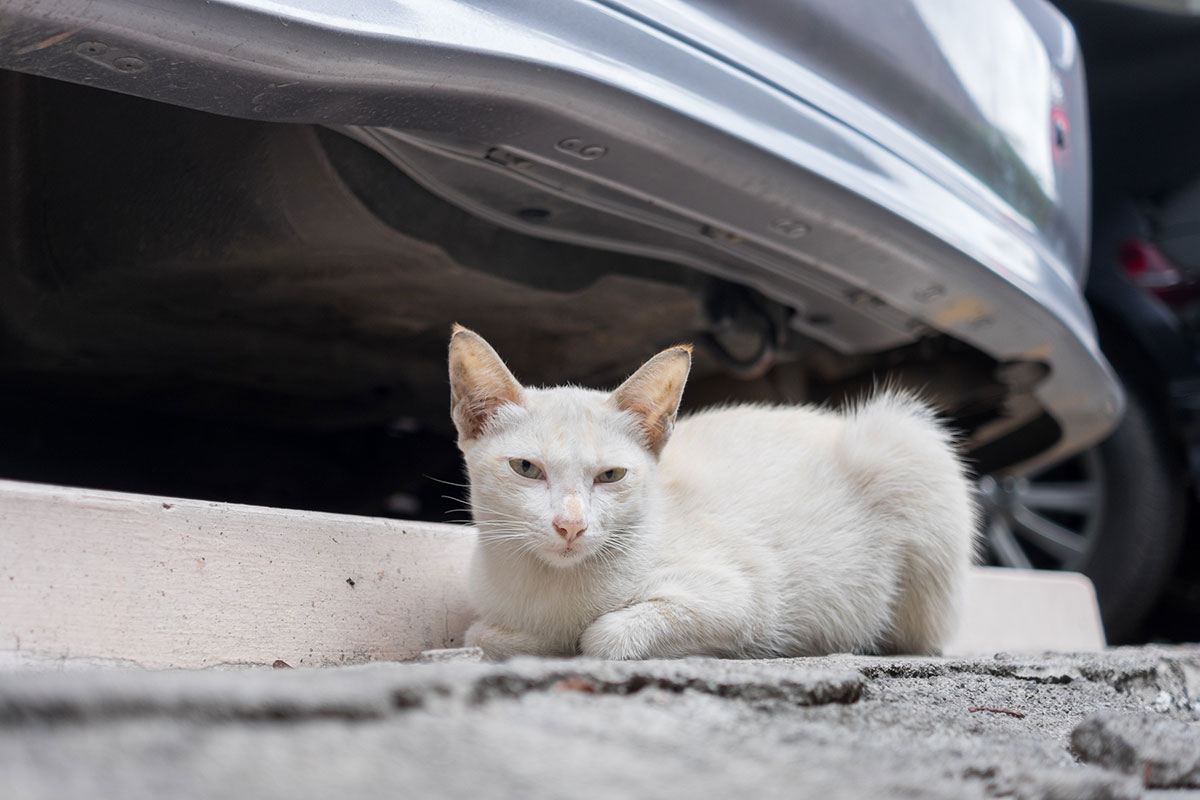
Step Three – Provide Safe Shelter and Warmth
If you must bring the kittens inside, create a warm, quiet space away from noise, pets, and drafts.
Setting Up a Safe Space:
● Use a box or large crate lined with soft blankets or towels.
● Keep them warm but avoid direct heat. Young kittens can’t regulate their body temperature.
● Do not give cow’s milk — it can cause diarrhea and dehydration. Use kitten-specific formula and bottles instead.
If it’s hot outside, keep kittens out of air-conditioning or cold floors, as sudden temperature changes can harm them.
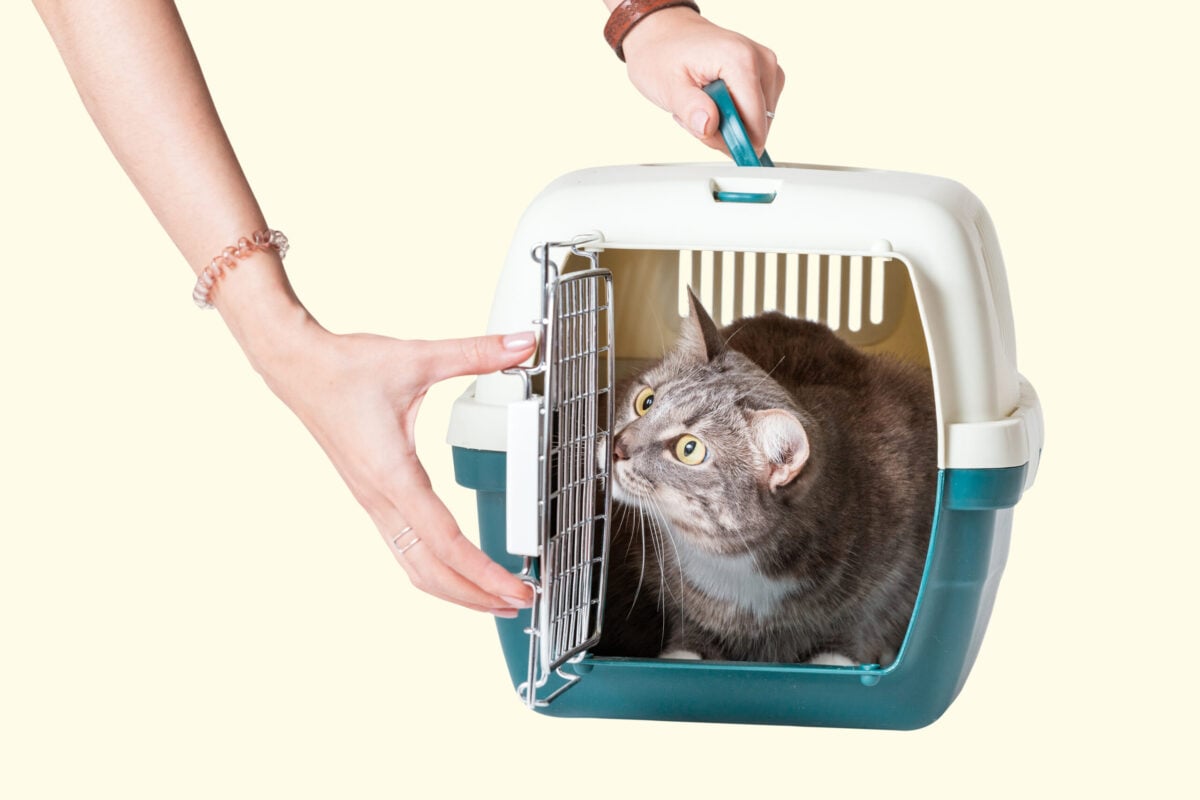
Step Four – Contact Local Resources
Once the kittens are safe, it’s time to reach out for help.
Who to Contact:
● Call your local animal shelter or rescue organization. Many can assist with intake, medical care, or foster placement.
● Contact North Shore Animal League America for advice or referrals through our Community Outreach Department at [email protected].
● Avoid posting kittens online (like Craigslist or social media giveaways). Work with reputable rescues to find safe homes.
Step Five – Consider the Mother Cat
If mom returns and the kittens are healthy, the best place for them is with her. You can help by:
● Providing food and fresh water away from the nest to avoid attracting other animals.
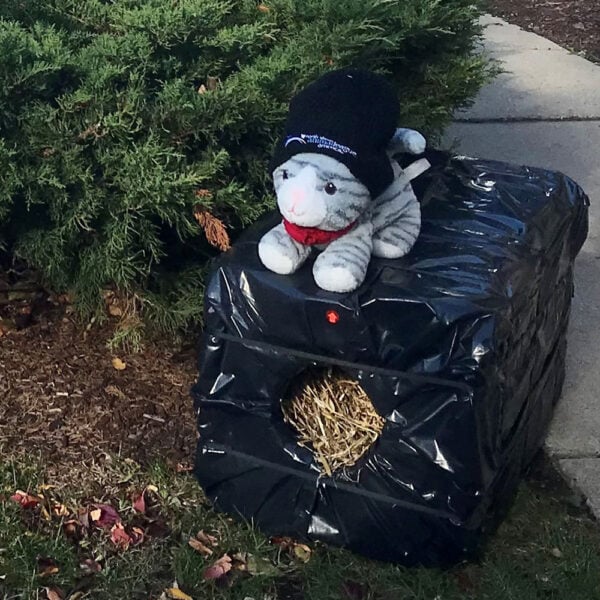
● Offering a quiet, low-traffic shelter such as a covered box or outdoor cat house.
● Avoiding handling the kittens until they’re walking and eating on their own — too much interference can scare mom away.
When the kittens are about six weeks old and ready for adoption, it’s time to spay mom so she doesn’t become pregnant again. North Shore Animal League America’s SpayUSA® program offers referrals for affordable spay/neuter clinics nationwide.
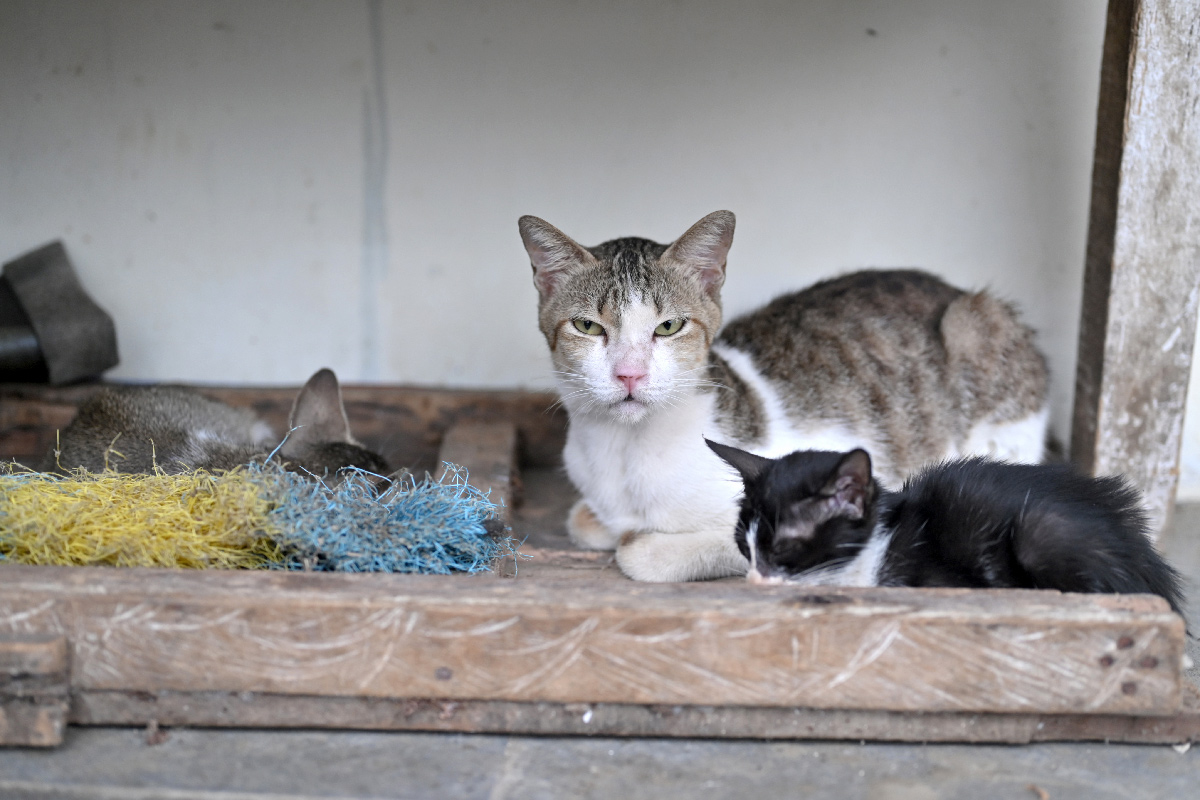
What If the Cat Is Grown or Feral?
If you’ve found an adult cat and aren’t sure whether it’s a stray, feral, or lost pet, observe its behavior:
● Friendly and socialized cats may be lost pets. Check for ID tags, scan for a microchip, and post on local lost pet pages.
● Feral cats avoid humans and are usually not adoptable. The best way to help is through TNVR — Trap, Neuter, Vaccinate, Return — which prevents breeding and allows the cat to live safely in its outdoor home.
If the cat is ear-tipped (a small notch missing from one ear), that means it has already been spayed/neutered and returned to its colony.

Giving Kittens the Best Start
If you’re wondering where to take a stray kitten or where to take kittens that you found, remember — observation, patience, and compassion are key. Every situation is different, but waiting for mom, assessing health, and contacting rescue professionals are the best first steps.
At North Shore Animal League America, we’re here to help you protect vulnerable kittens and support community cats through programs like SpayUSA® and TNVR. Together, we can reduce overpopulation and give every kitten a safe start in life.